Project Tracking
Centralize project tasks, deadlines, priorities, and status updates.
Operations Case Study
A case study on strengthening project coordination, improving operational efficiency, and creating a more structured environment for architectural apprentices to learn and contribute.
Company Overview
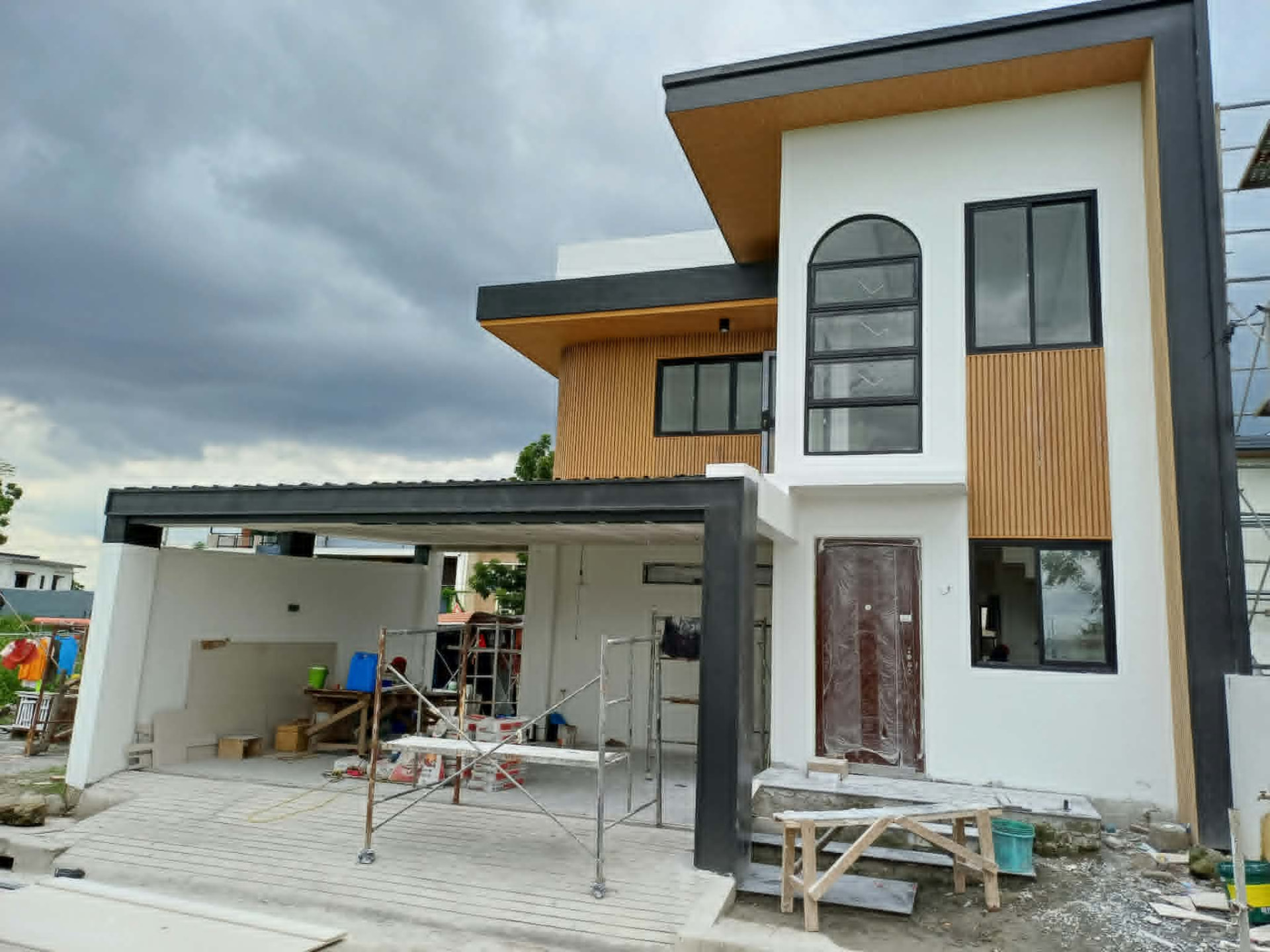
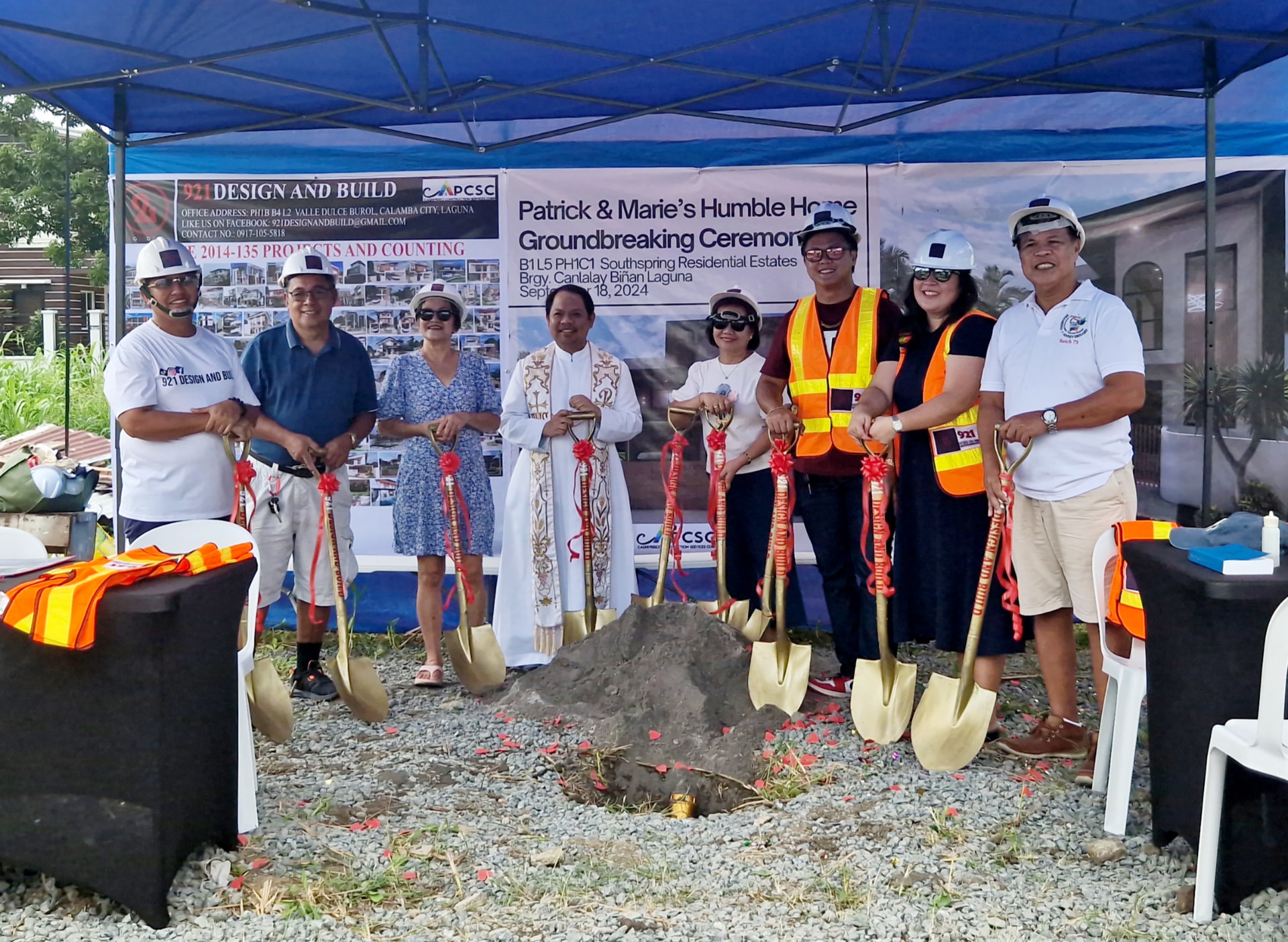
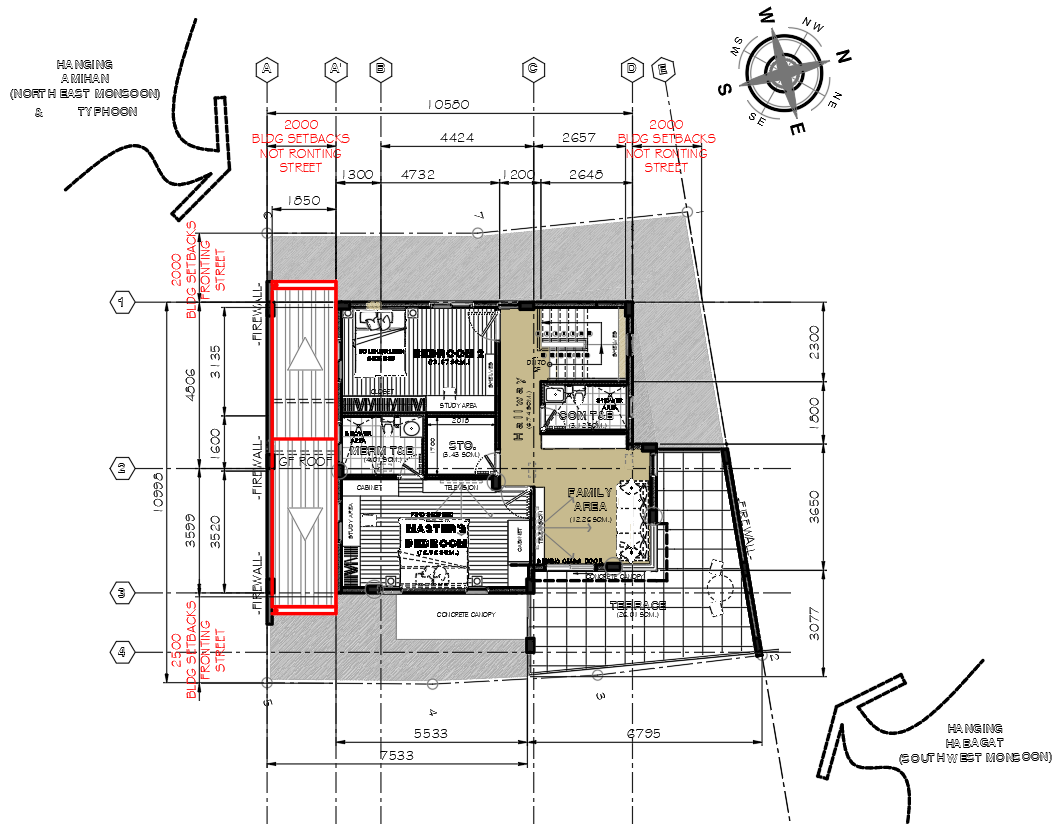
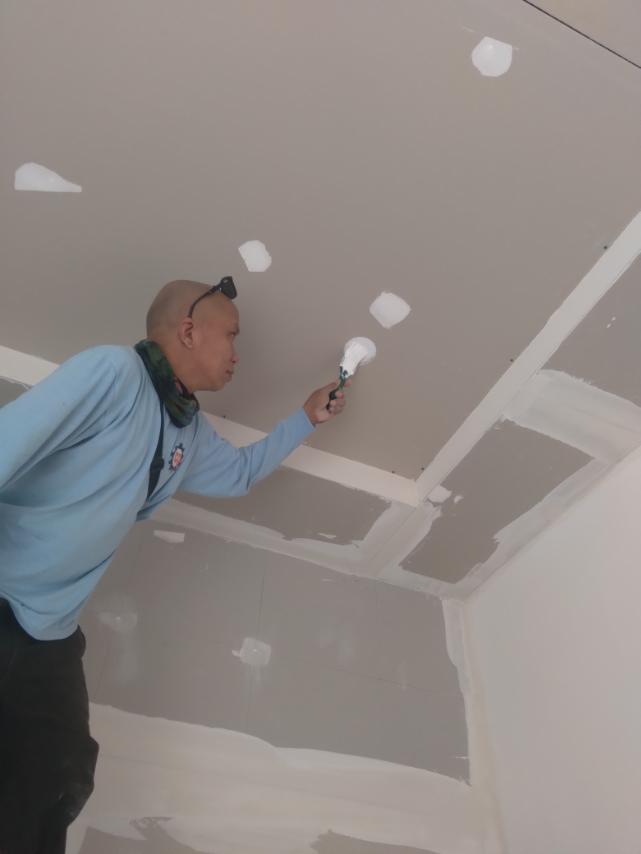
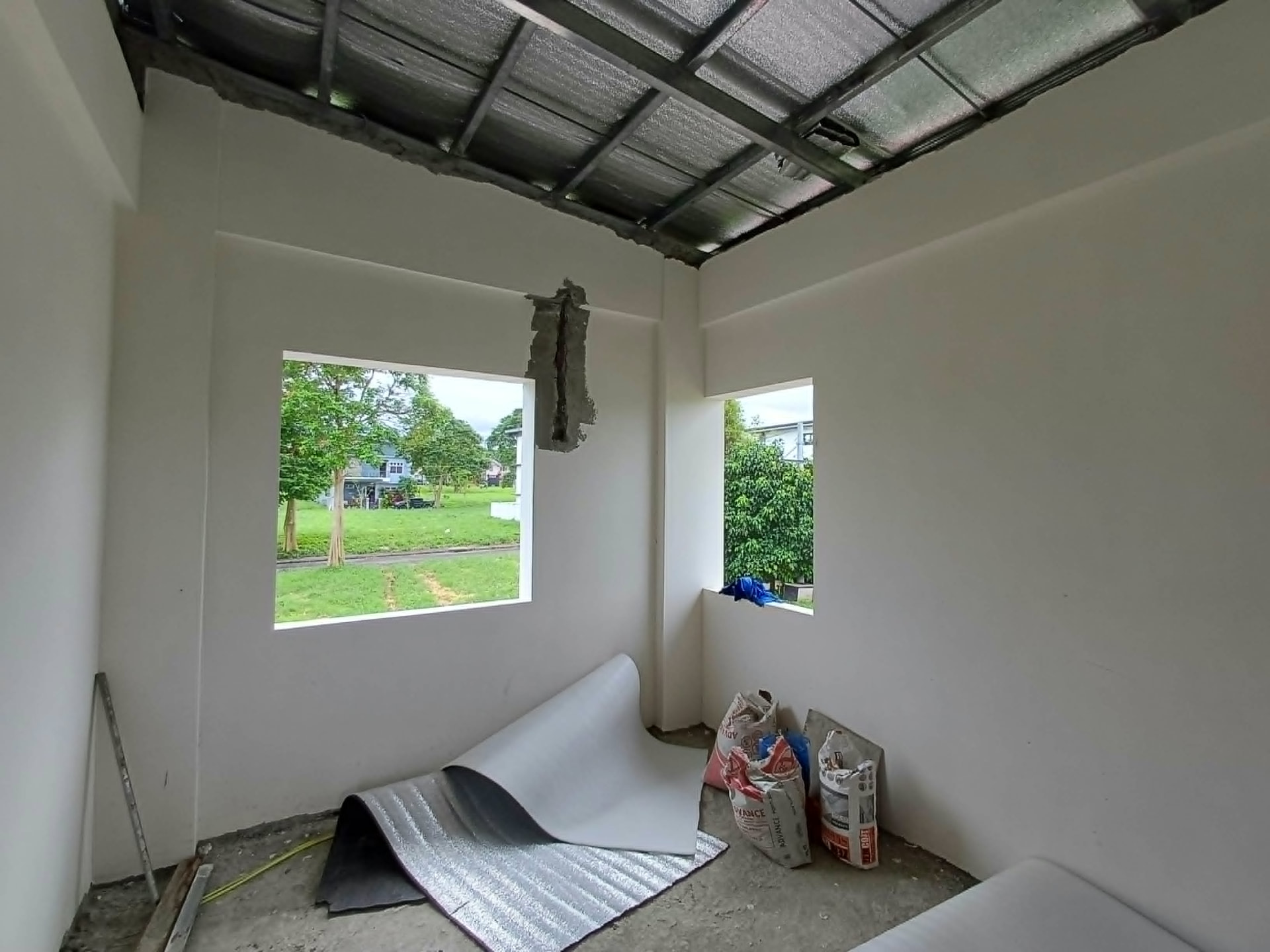
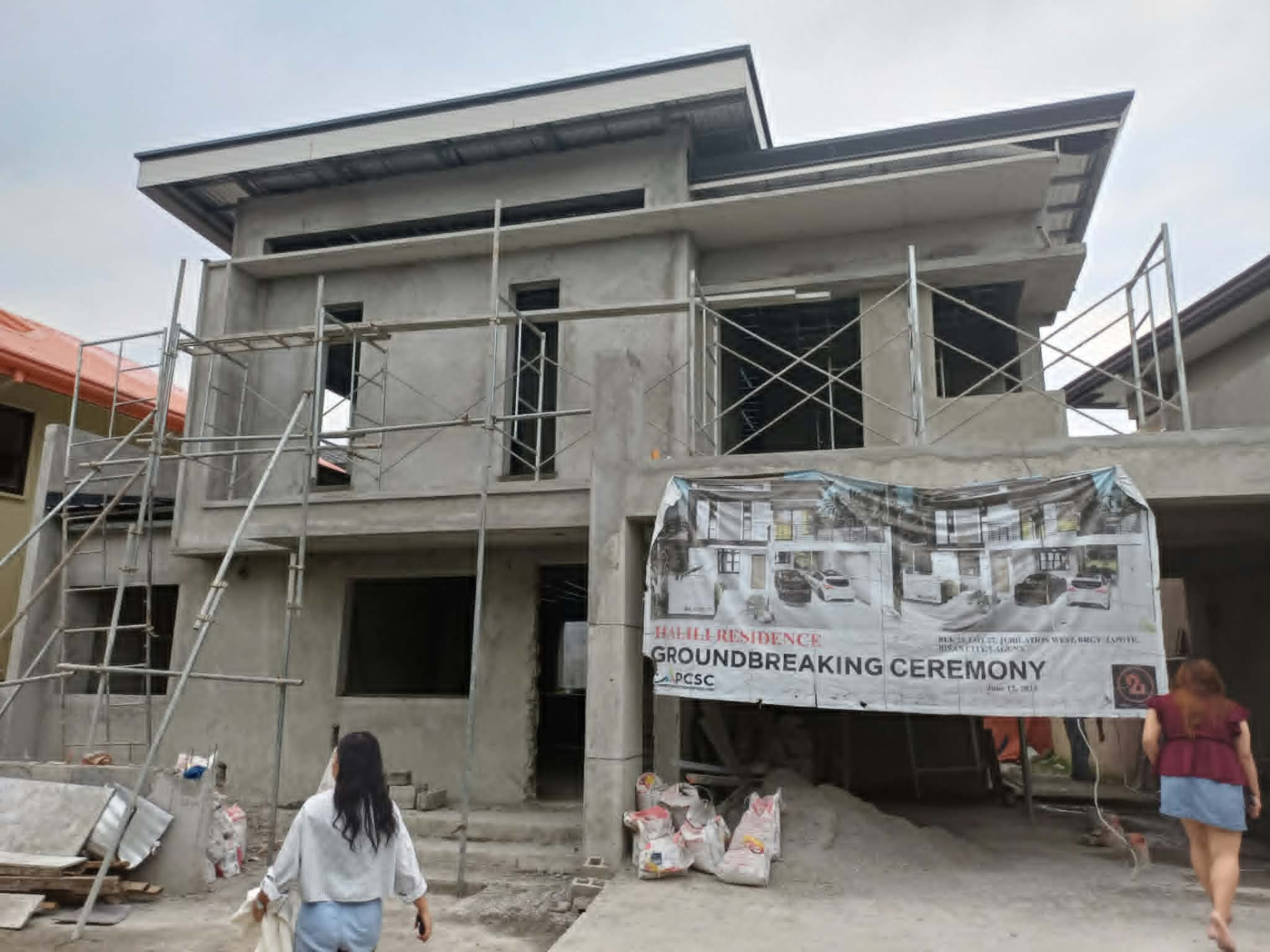
921 Design and Build provides hands-on exposure to architectural design, construction coordination, documentation, and project-related processes.
The company serves as a valuable training ground for aspiring architectural apprentices by providing practical experience beyond academic learning.
Key Value
Real-world exposure + practical project experience + multidisciplinary learning.

The Opportunity
While the company provides valuable hands-on experience, several operational areas could be strengthened as project demands increase.
Strategic Insight
The challenge was not the lack of capability—it was the need for a stronger system to help people work more efficiently.
The Objective
The goal of the improvement initiative is to create a more organized operational environment where team members can focus on high-value architectural and construction responsibilities while routine support tasks are properly tracked and delegated.
Improve task visibility
Clarify responsibilities
Reduce repetitive administrative workload
Strengthen documentation systems
Improve project coordination
Support better manpower allocation
Create a more structured learning environment for apprentices
The Approach
Review recurring tasks, workflow bottlenecks, documentation requirements, and areas where responsibilities overlap.
Create structured trackers, standardized documents, categorized files, and clearer task priorities.
Separate architectural responsibilities from administrative, documentation, monitoring, and coordination tasks that can be assigned to support personnel or apprentices.
Introduce repeatable workflows that make progress easier to monitor and reduce unnecessary delays.
System Improvement Opportunities
Centralize project tasks, deadlines, priorities, and status updates.
Create consistent naming, filing, and retrieval systems for project-related documents.
Delegate recurring administrative tasks to reduce workload on technical personnel.
Improve organization of bills of materials, quantity estimates, delivery records, and pull-out documentation.
Create standardized tracking for permits, worker requirements, and supporting documents.
Establish clearer channels for updates, follow-ups, and task ownership.
Manpower Optimization
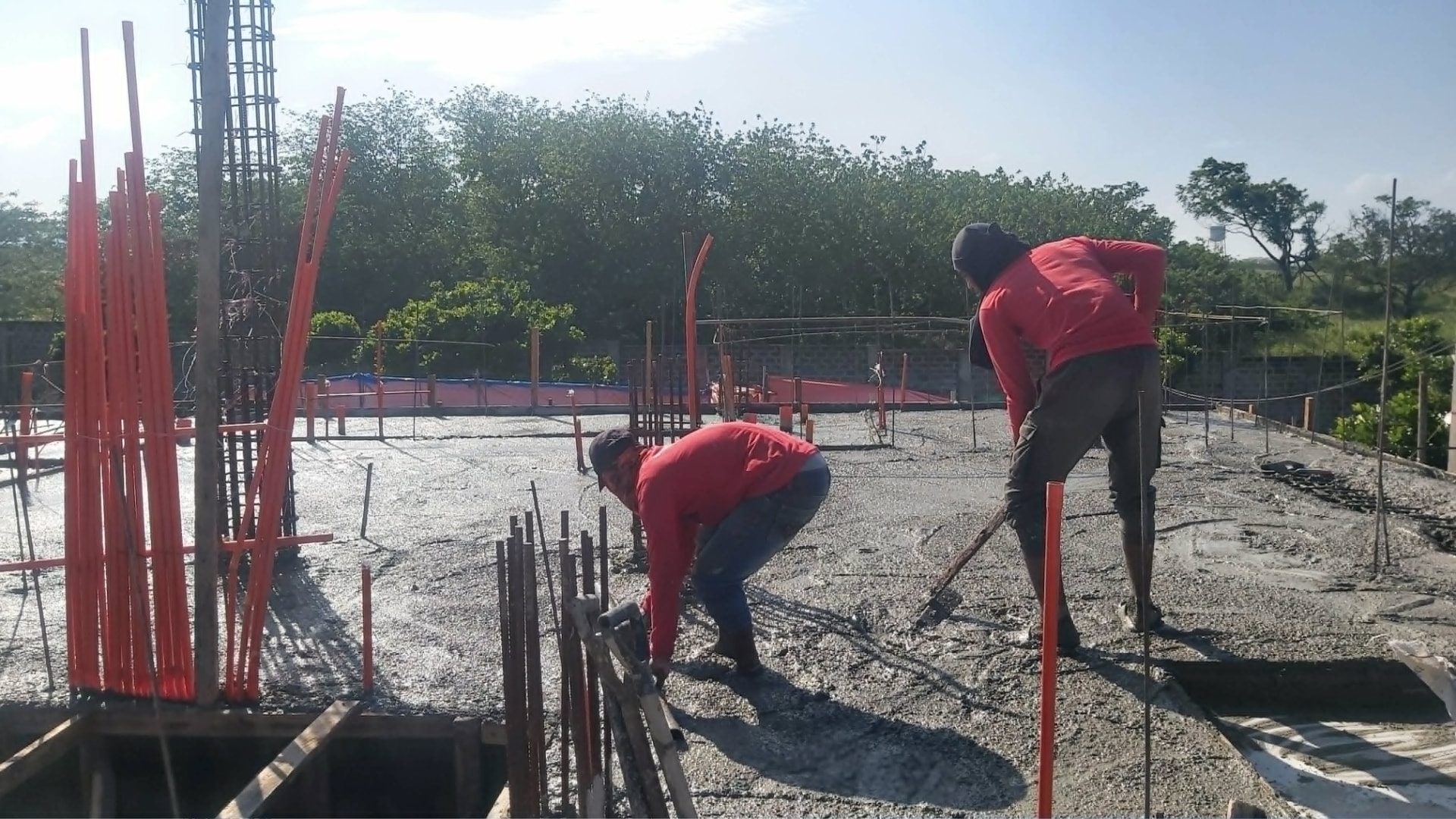
Additional manpower does not simply mean hiring more people—it means strategically allocating work.
Outcome: Technical team members spend more time on specialized responsibilities while support tasks become easier to track and manage.
Apprentice Development
921 Design and Build is a place where apprentices can gain practical exposure while working within a more structured framework.
Potential Learning Areas
A structured workflow can transform everyday project responsibilities into measurable learning opportunities.
Sample Workflow
Business Impact
The proposed improvements are designed to create measurable operational value.
Teams can quickly identify what needs attention.
Every task has a clearer owner and expected completion point.
Routine support work can be delegated and tracked more efficiently.
Information becomes easier to access and communicate.
Apprentices gain structured exposure to real project responsibilities.
A repeatable system makes it easier to handle additional projects and workloads.
Key Takeaway
921 Design and Build already provides valuable hands-on experience. The opportunity lies in strengthening the systems surrounding that experience.
With clearer workflows, better documentation, strategic delegation, and appropriate manpower allocation, the company can create a more efficient operation while providing apprentices with an even stronger foundation for professional growth.